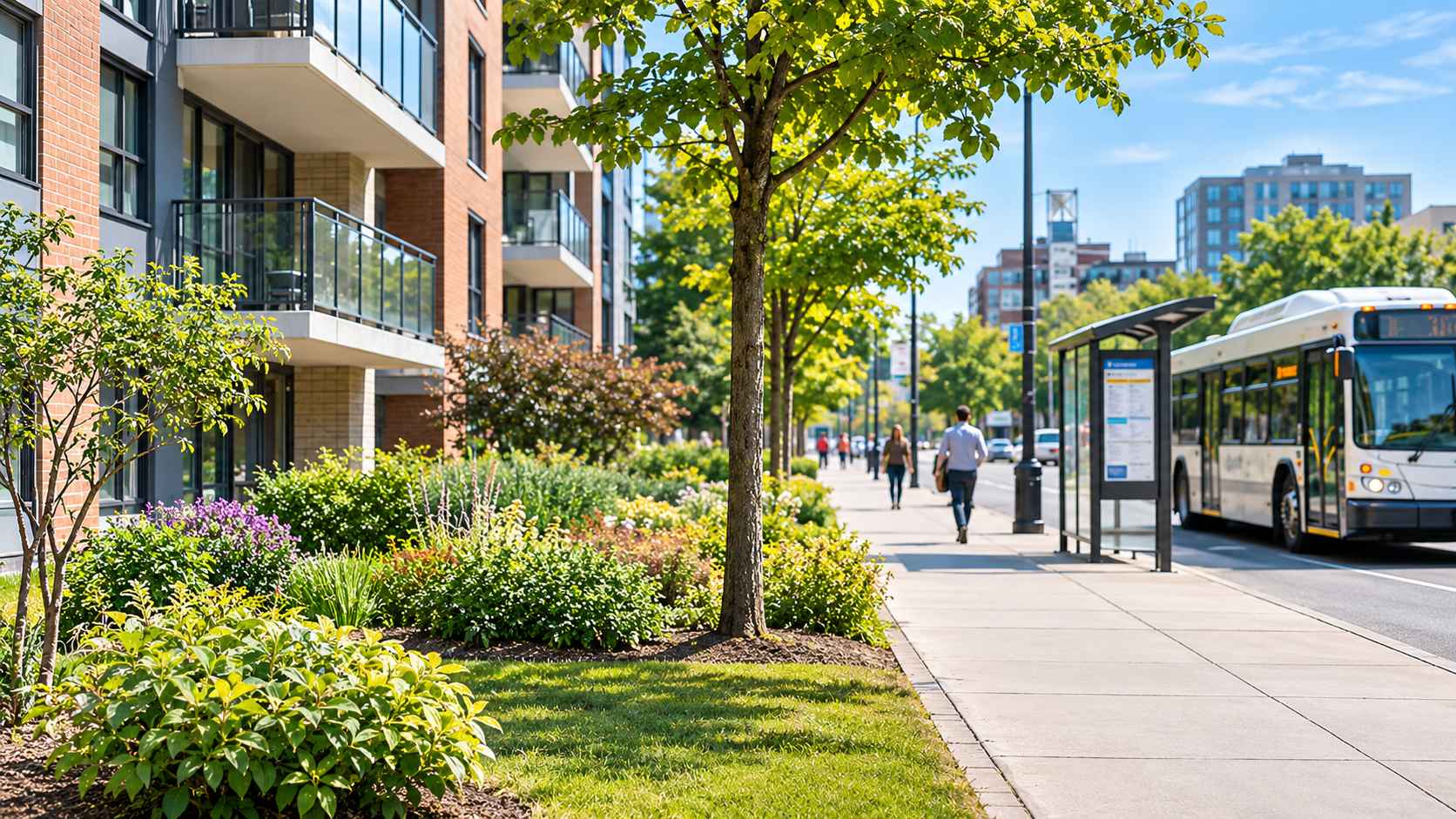
An apartment can have an appealing floor plan, comfortable interiors, and a suitable monthly rent, yet still be an inconvenient place to live if essential services are difficult to reach.
For renters, the surrounding neighbourhood often influences daily life as much as the apartment itself.
Public transportation, schools, grocery stores, healthcare facilities, parks, and employment areas all contribute to how easily residents manage their everyday responsibilities.
These services and facilities form an important part of neighbourhood infrastructure.
Whether searching for an apartment in Ottawa, Kingston, Calgary, or Edmonton, renters should consider how the surrounding community supports their routines before making a housing decision.
Why Neighbourhood Infrastructure Deserves Attention
Neighbourhood infrastructure includes the transportation networks, public facilities, utilities, and community services that support daily activities.
Some infrastructure is immediately visible, such as roads, sidewalks, transit stations, and recreation centres.
Other systems, including water services and public utilities, operate largely behind the scenes.
The Government of Canada’s Housing, Infrastructure and Communities Canada resources provide information about infrastructure investments and their role in supporting Canadian communities.
For renters, the practical question is how the available infrastructure affects everyday convenience.
A well-located apartment can make routine errands easier, while limited transportation connections may require additional planning.
Access to Public Transportation
Public transportation is an important consideration for renters who do not own a vehicle or prefer alternatives to driving.
Nearby bus stops, transit connections, and transportation hubs may influence commuting convenience.
Evaluate More Than Distance to Transit
A transit stop located close to an apartment is useful, but proximity alone does not tell the complete story.
Renters should consider service frequency, operating hours, transfers, and accessibility.
For example, someone working evening shifts may need different transportation options from a person following a typical daytime schedule.
Reviewing current transit schedules and testing a potential commute can provide a clearer picture of daily travel requirements.
Proximity to Schools and Educational Institutions
Educational facilities can influence rental decisions for households with children, students, and professionals pursuing further education.
Families may prioritize access to schools and childcare services, while university students may focus on transportation connections to campus.
Consider the Complete Educational Routine
When evaluating a neighbourhood, renters can review school locations, transportation arrangements, and nearby community facilities.
However, living near a school does not automatically establish eligibility to attend it.
School boundaries, admission requirements, and available programs should be confirmed with the relevant educational authority.
For students, commuting time and access to libraries or study facilities may also influence the suitability of a rental location.
Grocery Stores and Essential Everyday Services
Access to groceries and other essential services can make a noticeable difference in household routines.
For example, someone who shops several times each week may appreciate a rental location with convenient grocery options.
Others may prioritize pharmacies, banking services, postal facilities, or other regularly used destinations.
Think About How You Complete Errands
A grocery store may appear nearby on a map but require crossing busy roads or travelling along routes without convenient pedestrian access.
Renters should consider how they will actually reach essential services.
Walking routes, public transportation, parking availability, and seasonal conditions can all affect convenience.
The most practical neighbourhood is one that accommodates regular activities without creating unnecessary travel difficulties.
Access to Healthcare and Community Facilities
Healthcare access is another consideration when choosing a rental home.
Residents may need to visit clinics, pharmacies, dental offices, or other healthcare providers.
Households with specific ongoing needs may place greater importance on transportation connections to relevant services.
Community Services Also Matter
Libraries, community centres, and public facilities can provide opportunities for learning, recreation, and local activities.
For example, a community centre may offer programs that appeal to families, older adults, or residents interested in organized activities.
However, availability and eligibility for particular services should always be verified.
The presence of a facility does not necessarily mean every program or service will be available to every resident.
Parks, Recreation, and Walking Routes
Neighbourhood infrastructure extends beyond transportation and essential services.
Parks, playgrounds, walking paths, and recreation facilities can influence how residents spend their free time.
Someone who enjoys daily walks may prioritize convenient pedestrian routes.
A household with children might value access to suitable outdoor recreation spaces.
Look at Practical Accessibility
A park located nearby is not necessarily easy to reach if the walking route involves difficult intersections or limited access points.
Renters should evaluate the actual route rather than relying exclusively on distance.
It is also useful to consider seasonal maintenance and whether outdoor facilities accommodate preferred activities throughout the year.
Employment Centres and Commuting Options
The location of employment opportunities can influence where people choose to rent.
A shorter or more convenient commute may provide additional flexibility for family responsibilities, recreation, and household activities.
However, commuting considerations differ between residents.
Account for Different Working Arrangements
Someone working remotely may prioritize apartment space and reliable internet availability.
A professional commuting to an office may focus on transportation routes and travel time.
Workers with changing schedules may need access to transportation outside conventional commuting hours.
Before selecting a neighbourhood, renters can compare travel options during the times they expect to commute.
Shopping, Dining, and Entertainment
Neighbourhood convenience also involves access to shopping, restaurants, entertainment venues, and cultural activities.
Some renters prefer lively commercial areas with numerous destinations nearby.
Others favour quieter residential settings and are comfortable travelling farther for entertainment.
Neither preference is inherently better.
For example, someone who frequently meets friends at restaurants may value nearby dining options.
Another resident may prioritize peaceful surroundings and occasional outings.
The right balance depends on lifestyle preferences and how frequently particular services are used.
Comparing Neighbourhoods Across Canadian Cities
Canadian cities offer different residential environments, and infrastructure varies considerably within each municipality.
Ottawa and Kingston
Ottawa renters can compare neighbourhoods based on commuting connections, educational facilities, shopping, and recreational opportunities.
People exploring Ottawa apartment rental communities should evaluate the location of each property against their individual requirements.
Kingston offers a different urban setting, with residential areas connected to educational, commercial, and waterfront destinations.
Renters considering rental apartments in Kingston can similarly compare transportation, nearby services, and everyday accessibility.
Calgary and Edmonton
Calgary and Edmonton also contain diverse residential environments.
Depending on the location, renters may encounter different combinations of transportation services, shopping areas, educational institutions, and recreation facilities.
Rather than assuming one neighbourhood is more convenient than another, prospective residents should review current municipal information and visit potential locations.
Infrastructure characteristics can vary even between nearby apartment buildings.
How Household Needs Influence Neighbourhood Priorities
Not every renter evaluates infrastructure in the same way.
A student may prioritize educational facilities and public transportation.
A family with children may focus on schools, childcare, recreation, and convenient shopping.
An older adult may place greater importance on accessible transportation and healthcare services.
Someone who works from home may prioritize a comfortable residential environment and practical access to everyday amenities.
These differences demonstrate why neighbourhood selection should begin with personal routines rather than a universal list of desirable features.
A Practical Neighbourhood Evaluation Checklist
Before signing a rental agreement, renters can examine several important factors:
- Transportation: Are suitable public transit and commuting options available?
- Education: Are relevant schools or educational institutions accessible?
- Shopping: How convenient are grocery stores and essential services?
- Healthcare: Can household members reach the services they may need?
- Recreation: Are parks, walking routes, and community facilities suitable?
- Employment: Does the location support regular travel to work?
- Accessibility: Are sidewalks, entrances, and transportation connections practical?
- Lifestyle: Does the neighbourhood atmosphere match personal preferences?
Visiting the area at different times can also reveal details that online listings may not show.
Choosing a Rental Home With the Surrounding Community in Mind
A rental decision should consider more than the apartment’s interior features and monthly cost.
Public transportation, schools, healthcare facilities, shopping, employment connections, and recreational spaces all contribute to everyday convenience.
However, access to these services varies between neighbourhoods, and individual priorities differ considerably.
By researching local infrastructure, exploring potential locations, and comparing travel requirements, renters can make more informed housing decisions.
Ultimately, a suitable rental home is one that accommodates both household needs inside the apartment and the everyday activities that take place throughout the surrounding community.