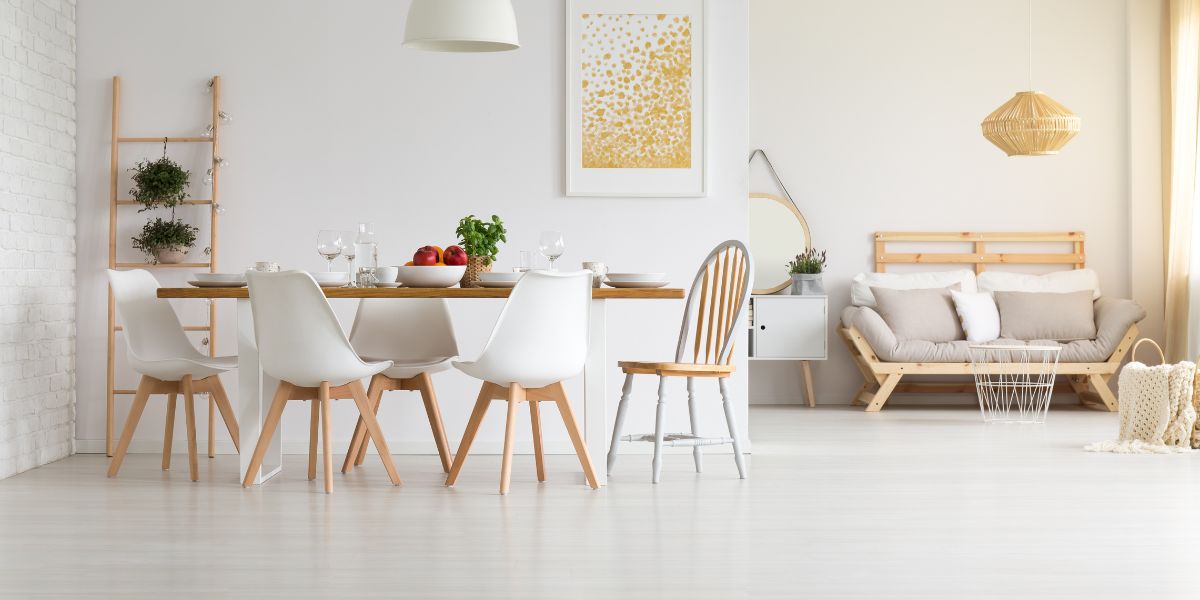
A home renovation usually begins with a feeling that something in the house no longer works the way it should. The kitchen may feel too crowded when more than one person is cooking. The bathroom may feel outdated, dark, or short on storage. The main floor may feel closed off when the family wants a brighter and more connected space. In other cases, the entire home may still be in the right location, but the layout and finishes no longer match the way the homeowners live.
This is why renovation should never be treated as only a cosmetic update. New cabinets, flooring, tile, lighting, and paint can make a home look better, but the best renovations go much deeper. They improve how people move through the home, how spaces connect, how storage works, and how daily routines feel. A successful renovation should make the home more comfortable, more practical, and more enjoyable for years to come.
Before construction begins, homeowners should take time to understand what they really want the renovation to solve. The answer is not always as simple as “we need a new kitchen” or “the bathroom is old.” A kitchen renovation may really be about creating a better gathering space. A bathroom renovation may be about making mornings easier. A full-home renovation may be about turning a dated property into a home that feels open, cohesive, and suited for modern life.
This is where thoughtful Calgary renovation and design-build services can make a major difference. A clear process helps homeowners move from general ideas to a complete plan that considers design, function, budget, materials, and construction together.
Start With Function Before Choosing Finishes
Many homeowners are excited to begin with finish selections. They look at cabinet styles, countertops, flooring, tile patterns, lighting fixtures, hardware, and wall colours. These choices are important because they create the look and personality of the finished space. However, they should not come before the functional plan.
The layout is what determines whether the renovation will feel good every day. A kitchen can have beautiful cabinets and expensive counters but still feel frustrating if the workflow is awkward. A bathroom can have stylish tile but still lack enough storage or proper lighting. A living space can look updated but still feel disconnected if the overall layout does not support how the family spends time together.
Function should lead the design. Homeowners should think about how they cook, clean, entertain, relax, work, and move through the home. They should notice where clutter builds up, where traffic feels tight, which rooms feel dark, and which spaces are not being used well. These details reveal the real purpose of the renovation.
When the functional plan is clear, finish selections become easier. Materials and design details can be chosen to support the way the space will actually be used. This creates a renovation that feels both attractive and practical.
Good Layout Planning Can Transform the Home
Layout is one of the most powerful parts of renovation design. It can change the way a home feels without simply adding more space. Sometimes the best solution is not a larger footprint, but a smarter use of the existing space.
In a kitchen, layout planning can improve the relationship between the sink, stove, fridge, pantry, island, and prep areas. It can create better storage, more counter space, and easier movement. If the kitchen is open to the dining or living area, the layout also affects how people gather and communicate.
In a bathroom, layout planning can make a small room feel more efficient. Better vanity placement, a larger shower, improved lighting, and smarter storage can completely change the experience of using the space. A bathroom does not always need to be huge to feel comfortable. It needs to be planned carefully.
For larger renovations, layout decisions can affect the entire home. Removing a wall, widening a doorway, relocating a room, or improving sightlines can make the home feel more open and connected. These changes can be valuable, but they need to be planned with construction realities in mind. Structural, plumbing, electrical, and mechanical details all matter.
A good renovation plan balances what looks ideal with what is practical, safe, and appropriate for the home.
The Design-Build Approach Helps Reduce Confusion
Renovations involve many connected decisions. A layout change can affect the budget. A material choice can affect the timeline. A plumbing adjustment can affect the construction plan. A cabinet decision can affect electrical and lighting placement. When these decisions are handled separately, the project can become stressful and confusing.
A design-build approach helps connect the process. Instead of separating design from construction, the planning and building sides work together from the beginning. This allows homeowners to understand how their ideas will affect the project before construction starts.
This type of process can be especially helpful for major renovations. Kitchen renovations, bathroom renovations, basement developments, main-floor updates, and full-home renovations often involve several trades and many technical details. When the team is aligned, the project can move forward with better communication and fewer misunderstandings.
For homeowners, this creates a more organized experience. They can ask questions earlier, understand budget choices more clearly, and make decisions with guidance. It also helps reduce the risk of approving a design that later becomes difficult or expensive to build.
Kitchen Renovations Should Support the Way People Gather
The kitchen is one of the most important rooms in the home. It is often where families gather, meals are prepared, guests are welcomed, and conversations happen naturally. Because it serves so many purposes, a kitchen renovation needs to be carefully planned.
A good kitchen should provide enough storage, comfortable movement, useful counter space, and proper lighting. It should make cooking easier, but it should also feel inviting. Many homeowners want a kitchen that connects to the dining or living area so the person cooking is not separated from everyone else. This can make the home feel more social and open.
However, an open kitchen still needs structure. The island should be the right size. Appliance placement should make sense. Walkways should be comfortable. Storage should be designed around real items, not just standard cabinet layouts. Lighting should include both task lighting and atmosphere.
The best kitchen renovations are not only impressive in photos. They make daily routines better. They reduce clutter, improve movement, and create a space where people actually want to spend time.
Bathroom Renovations Need Careful Detail
Bathrooms may be smaller than kitchens, but they require just as much attention. They involve plumbing, electrical work, ventilation, waterproofing, tile installation, cabinetry, fixtures, lighting, and finishing details. Every choice affects how the room performs.
A family bathroom may need durable materials, easy cleaning, strong storage, and a layout that works for busy mornings. A primary ensuite may focus more on comfort, calm, and a refined feeling. A powder room may be a place to make a stronger design statement because it is smaller and often used by guests.
Lighting is especially important in bathrooms. The space needs clear lighting for daily tasks, but softer lighting can also make the room feel more comfortable. Storage is another common concern. A better vanity, built-in shelves, recessed medicine cabinets, or custom cabinetry can make the room feel more organized.
Quality workmanship matters greatly in bathrooms because moisture can create long-term problems if materials are not installed properly. Tile, grout, waterproofing, ventilation, and fixtures should all be handled with care. A bathroom should not only look good when the renovation is complete. It should continue working well for years.
Full-Home Renovations Need a Complete Vision
A full-home renovation requires a broader plan than a single-room update. When multiple spaces are renovated, the home should feel cohesive. Flooring, trim, paint colours, cabinetry, lighting, hardware, and room transitions should work together. Without a complete vision, the home may feel like separate updates rather than one thoughtful transformation.
Whole-home renovations are often chosen when homeowners love the location and structure of their home but want the interior to feel more modern and useful. Instead of moving, they can improve the home they already have. This can be a smart choice when the neighbourhood, lot, or character of the home is worth keeping.
A full-home renovation may include a new kitchen, updated bathrooms, improved main-floor flow, basement development, better lighting, new flooring, and more storage. Because these projects involve many decisions, communication and planning are essential.
The goal should be to create a home that feels consistent from room to room. Each space can have its own personality, but the overall design should feel connected.
Materials Should Match Style and Lifestyle
Material selection is one of the most enjoyable parts of a renovation, but it should be guided by lifestyle as much as appearance. A busy family home may need durable flooring, easy-clean counters, strong cabinet finishes, and practical storage. A quieter household may choose more delicate or refined materials. A homeowner planning to stay long term may prefer timeless finishes that will not feel dated quickly.
Trends can be useful for inspiration, but they should not control every choice. A renovation is a long-term investment. The best designs often balance current style with classic details, so the home feels fresh now and still comfortable years later.
Materials should also suit the character of the property. A modern home may call for clean lines and simple finishes. A traditional home may feel better with warmer textures and classic details. A transitional design may combine both. The right choices help the renovation feel natural instead of forced.
Craftsmanship Makes the Design Feel Complete
A strong design plan depends on quality workmanship. Even beautiful materials can look disappointing if they are not installed properly. Cabinet alignment, tile lines, flooring transitions, trim details, lighting placement, and paint finish all affect the final result.
Renovation work can be more complex than new construction because the team is working inside an existing home. Older properties may have uneven floors, hidden plumbing issues, outdated wiring, or framing that needs adjustment. Skilled professionals know how to solve these problems while protecting the design intent.
Good craftsmanship shows in the small details. Doors close properly. Cabinets feel solid. Tile work looks clean. Trim transitions are smooth. Lighting feels intentional. These details help the finished home feel polished and lasting.
Communication Helps Make Renovation Less Stressful
Renovation can feel overwhelming when homeowners do not know what is happening next. Clear communication makes the process easier. Homeowners should understand the timeline, project stages, decision deadlines, and any issues that come up during construction.
Good communication also helps avoid misunderstandings. Renovation projects involve many small details, and those details can affect the final outcome. When expectations are clear, the homeowner and renovation team can stay aligned.
A strong process keeps homeowners involved without making them manage every detail alone. They should feel informed and confident, while trusting the team to coordinate the work properly.
Choosing the Right Renovation Partner
A renovation is a major investment in the comfort and value of a home. Choosing the right team can make the process smoother and the final result stronger. Homeowners need professionals who understand design, construction, budgeting, scheduling, materials, and craftsmanship.
The right renovation partner helps turn ideas into a realistic plan. They guide homeowners through layout decisions, material selections, budget priorities, and construction details. They also understand that renovation is personal because it affects the space where people live every day.
For homeowners who want to explore a more organized approach to improving their home, more information can be found at https://ruschdesignbuild.com/.
A successful renovation should not only make a home look updated. It should make the home feel better to live in. With thoughtful planning, quality materials, skilled workmanship, and clear communication, an outdated or frustrating space can become a home that feels more functional, comfortable, and personal.